Modern Java applications rely on APIs to connect systems, exchange data, and support web and mobile platforms. In a full stack java developer course, learning API testing is no longer optional. It is a core skill. Tools used for web service testing help teams verify reliability, accuracy, and performance before production release. One of the most widely adopted tools for this purpose is SOAP UI.
This guide explains how to test web services in a clear, practical way. It is written for learners pursuing java training and placement, java full stack developer training, and Java Training With Placement. The focus is hands-on learning with real examples that reflect industry practices.

Why Web Service Testing Matters in Java Projects
Web services act as the backbone of distributed Java systems. They connect front-end interfaces, backend services, and third-party systems.
When teams skip proper testing, they face:
- Data mismatch between systems
- Broken integrations after deployment
- Security risks and performance failures
Testing helps teams confirm that services return correct responses, handle errors, and scale under load. Java professionals with API testing skills stand out in hiring pipelines, especially in enterprise projects.
What Is SOAP UI and Why Java Developers Use It
SOAP UI is a widely used API testing tool designed to validate SOAP and REST web services. Java developers use it because it supports XML-based services, integrates well with Java ecosystems, and fits naturally into enterprise testing workflows.
Key reasons teams choose SOAP UI include:
- Easy request and response validation
- Built-in assertions for automation
- Support for functional, security, and load testing
- Strong alignment with Java-based service architectures
In real projects, testers and developers often collaborate using SOAP UI to validate services early in the development cycle.
Types of Web Services You Can Test
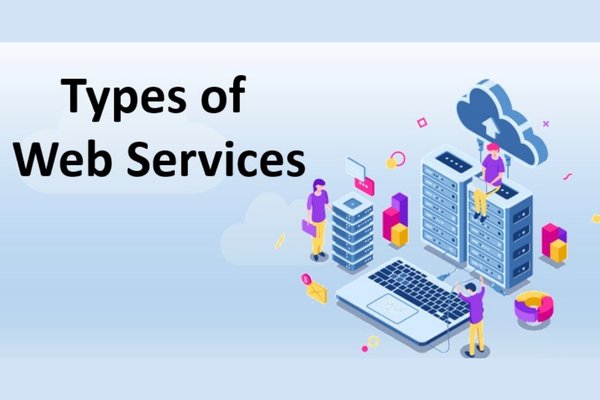
Before starting hands-on testing, you should understand the service types commonly used in Java applications.
SOAP Web Services
SOAP services use XML for messaging and follow strict standards defined in WSDL files. Many banking, healthcare, and enterprise systems still rely on SOAP-based APIs.
REST Web Services
REST services use HTTP methods and lightweight formats like JSON or XML. Many Java Spring Boot applications expose REST APIs.
SOAP UI supports both formats, which makes it suitable for full stack Java learning paths.
Installing and Setting Up the Tool
To begin testing, you must install SOAP UI on your system.
Steps to install:
- Download the installer from the official SmartBear site
- Install the tool using default settings
- Launch the application and verify the workspace
Once installed, SOAP UI opens with a clean interface that allows you to create and manage projects.
Creating Your First SOAP Project
Follow these steps to test a SOAP web service.
- Open SOAP UI and select “New SOAP Project”
- Enter the WSDL URL provided by the service
- Click OK to generate service operations automatically
The tool reads the WSDL and creates request templates for each operation. This saves time and reduces manual errors.
At this stage, SOAP UI displays request and response panels side by side.
Sending a Request and Reading the Response
After project creation, you can send your first request.
Steps:
- Open a generated request
- Fill required input values
- Click the submit button
SOAP UI sends the request and displays the response in XML format.
When you analyze responses, focus on:
- Status codes
- Response time
- Correct data values
- Error messages
This process mirrors how enterprise Java teams validate services during development.
Adding Assertions for Validation
Assertions help automate checks. They confirm whether responses meet expected conditions.
Common assertions include:
- Response contains specific text
- XPath match
- Schema compliance
- Response time limit
In SOAP UI, you can add assertions by right-clicking the request and selecting “Add Assertion.”
Assertions turn manual checks into repeatable tests, which supports scalable testing in java full stack developer training programs.
Parameterization and Data-Driven Testing
Real projects require testing with multiple data sets. SOAP UI supports this using properties.
You can:
- Define project-level properties
- Reference them inside requests
- Loop test cases using different inputs
This approach helps simulate real user behavior and validates how services handle varied data.
Testing REST Services with the Same Tool
Although many learners associate the tool with SOAP, SOAP UI also supports REST API testing.
You can:
- Create REST projects
- Use GET, POST, PUT, and DELETE methods
- Validate JSON responses
Java developers working with Spring Boot often rely on SOAP UI to test REST endpoints before UI integration.
Security Testing Basics
Security testing ensures services handle unauthorized access safely.
With SOAP UI, you can:
- Test SQL injection attempts
- Validate authentication failures
- Check token handling
These checks are important in enterprise Java systems that manage sensitive data.
Integrating API Testing into Java Projects
In real environments, teams integrate tests into CI pipelines.
SOAP UI supports:
- Command-line execution
- Integration with Jenkins
- Automated regression testing
This makes it valuable for professionals pursuing java training and placement roles where automation skills matter.
Real-World Use Case Example
Consider an e-commerce Java application with a payment service.
Teams use SOAP UI to:
- Validate payment requests
- Confirm correct transaction responses
- Handle error cases like insufficient balance
This testing prevents production failures and protects business revenue.
Common Mistakes Beginners Should Avoid
When learning SOAP UI, beginners often:
- Skip assertions
- Hardcode values
- Ignore negative testing
Avoiding these mistakes improves test reliability and professional readiness.
How This Skill Supports Java Career Growth
API testing skills add strong value to resumes. Employers prefer Java developers who understand service validation, not just coding.
Learning SOAP UI supports roles such as:
- Java full stack developer
- API tester
- Automation engineer
- Integration specialist
These roles are common outcomes of a full stack java developer course.
Key Takeaways
- Web service testing is essential in modern Java applications
- SOAP UI supports both SOAP and REST services
- Assertions and automation improve test quality
- API testing skills increase job readiness in Java careers
Conclusion
Build strong API testing skills as part of your Java career journey.
Enroll in H2KInfosys programs to gain hands-on experience, real projects, and job-focused training support.