Python is widely regarded as one of the most approachable programming languages for beginners in 2026. Its emphasis on clarity and simplicity makes it a common entry point for individuals transitioning into software development, including those without prior coding experience.
Typical Learning Timeline (2026 Perspective)
While Python is easy to start with, developing professional competence requires consistent practice:
- Core Fundamentals: 2–6 months to learn variables, loops, functions, and basic data structures
- Applied Skills: 3–6 months to build functional scripts and applications using libraries
- Job Readiness: 6–12 months of regular practice to create projects and a portfolio suitable for professional roles
What Makes Python Beginner-Friendly?
1. Readable, English-Like Syntax
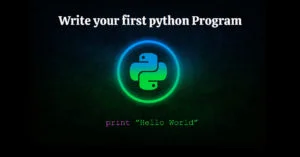
Python code looks closer to plain English than most programming languages, which is a key reason many beginners start with a Python Training Course. This readability makes it easier to understand what the code is doing without memorizing complex symbols. Python uses intuitive keywords and simple expressions, allowing code to resemble natural language. For example, a basic statement such as print("Hello World") is easy to understand even for first-time learners.
Example comparison:
Python
print("Hello, World!")
Java
System.out.println("Hello, World!");
Python removes unnecessary punctuation and boilerplate code. Beginners can focus on logic instead of syntax rules, which speeds up early learning.
2. Minimal Setup and Quick Start
Python allows beginners to start coding almost immediately.
- No complex project structure required
- No mandatory compilation step
- Code can be executed line by line
- Interactive mode lets learners experiment freely
This instant feedback is critical for beginners because it:
- Reduces frustration
- Encourages experimentation
- Improves understanding through trial and error
3. No Manual Memory Management
Languages like C or C++ require beginners to understand how memory works at a low level. Python handles this automatically.
- Memory allocation is automatic
- Garbage collection runs in the background
- Beginners focus on problem-solving, not hardware details
This abstraction removes one of the most confusing early hurdles in programming.
4. Clear Error Messages
Python error messages are relatively descriptive compared to many other languages.
Instead of cryptic symbols, Python often tells:
- What type of error occurred
- Where it happened
- Why it happened
Clear feedback helps beginners debug faster and learn from mistakes.
5. English-Like Keywords
Python avoids heavy use of symbols. Instead, it relies on readable keywords:
if,else,eliffor,whiledef,returnimport,from
This makes code self-explanatory and easier to remember.
How Long Does It Take to Learn Python as a Beginner?
Learning speed depends on individual goals, consistency, and preparation for a Python Programming Certification, but realistic timelines typically look like this:
Basic Fundamentals (2–6 Months)
- Variables and data types
- Conditional statements
- Loops
- Functions
- Basic data structures (lists, dictionaries)
At this stage, beginners can write small scripts and solve simple problems.
Intermediate Skills (6–12 Months)
- File handling
- Error handling
- Modules and packages
- Object-oriented programming
- Basic libraries
Learners can now build small projects and understand real-world use cases.
Practical Proficiency (12–18 Months)
- Working with external libraries
- Building real projects
- Writing clean, maintainable code
- Debugging efficiently
Python remains beginner-friendly throughout this journey, which is why many professionals continue using it long after the beginner stage.
Is Python Easier Than Other Programming Languages?
Python vs C/C++
- Python avoids pointers and memory management
- Syntax is significantly simpler
- Faster learning curve for beginners
Python vs Java
- Less boilerplate code
- No need for strict class structures early
- Easier to write and read
Python vs JavaScript
- More consistent syntax rules
- Less confusion around scopes and behaviors
- Often easier for complete beginners
While every language has its purpose, Python is widely regarded as the most beginner-friendly general-purpose language
What Can Beginners Build With Python?
One reason Python feels easy is that beginners can build useful things quickly.
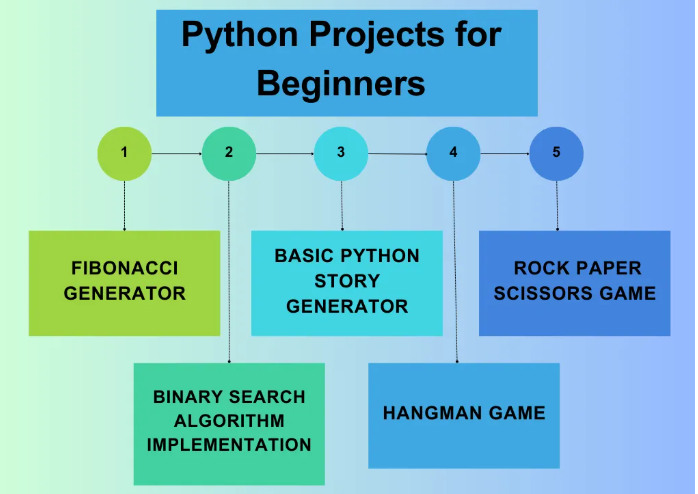
Beginner-Level Projects
- Simple calculators
- Number guessing games
- To-do list applications
- File organizers
- Basic automation scripts
Early Practical Applications
- Data manipulation
- Simple web scraping
- CSV and text file processing
- Small command-line tools
Seeing real results early boosts confidence and motivation.
Why Python Feels Less Intimidating Than Other Languages
1. Fewer Rules at the Start
Python does not force beginners to learn:
- Complex class hierarchies
- Advanced type systems
- Strict formatting rules (beyond indentation)
2. Indentation Improves Clarity
Python uses indentation instead of braces {}.
While this requires attention, it also:
- Enforces clean code
- Makes structure obvious
- Prevents messy formatting habits
3. Strong Community Support
Python has:
- Millions of learners worldwide
- Extensive documentation
- Beginner-friendly tutorials
- Large question-and-answer communities
No matter the problem, someone has likely faced it before.
Common Challenges Beginners Face in Python
Python is easy, but not magic. Beginners still encounter challenges.
1. Understanding Logic and Problem-Solving
Python simplifies syntax, but logic still matters.
Beginners often struggle with:
- Breaking problems into steps
- Writing algorithms
- Thinking programmatically
This challenge exists in every programming language, not just Python.
2. Indentation Errors
Incorrect indentation causes errors.
However, this usually:
- Teaches discipline early
- Improves code readability long-term
Most beginners overcome this quickly with practice.
3. Overwhelming Library Choices
For beginners, this can feel confusing:
- Which library should I use?
- What should I learn first?
A structured learning path helps avoid this confusion.
Developing Computational Thinking
Although Python syntax is simple, learning how to analyze problems and design logical solutions remains a key challenge for beginners.
Progressing to Advanced Topics
Concepts such as object-oriented programming, decorators, concurrency, and performance optimization require deeper understanding and experience.
Risks of Dynamic Typing
Python does not enforce explicit data types, which can lead to runtime errors if code is not carefully designed and tested, especially in larger applications.
Is Python Suitable for Absolute Non-Technical Beginners?
Yes. Python is often the first programming language taught to non-technical learners, including:
- Students
- Career switchers
- Business professionals
- QA testers
- Analysts
Python does not assume prior coding knowledge. It allows beginners to learn one concept at a time, making progress feel manageable.
How Python Helps Build Confidence Early
Confidence matters in learning programming.
Python builds confidence by:
- Showing results quickly
- Reducing syntax frustration
- Allowing experimentation
- Supporting gradual complexity
Many beginners who fail with other languages succeed with Python because early wins keep them motivated.
Learning Python Without a Technical Background
Python is commonly used by:
- Data analysts
- Business analysts
- Test engineers
- Researchers
- Automation professionals
These roles value Python because:
- It integrates well with existing workflows
- It solves real problems without deep computer science theory
- It scales from simple scripts to advanced systems
Best Learning Approach for Beginners
Python is easy when learned the right way.
Effective Beginner Strategy
- Start with basics (variables, loops, conditions)
- Practice daily with small exercises
- Build mini-projects early
- Learn debugging skills
- Gradually explore real-world use cases
Avoid jumping directly into advanced topics without mastering fundamentals.
Why Python Remains Easy Even as You Advance
Many languages become harder as projects grow. Python maintains readability even at scale.
- Clean syntax remains consistent
- Code is easier to maintain
- Team collaboration becomes smoother
This is why Python is used by beginners and experts alike.
Myths About Python Being “Too Easy”
Myth 1: Easy Means Limited
Python powers:
- Large-scale systems
- Enterprise automation
- Advanced analytics
- AI and ML platforms
Ease of learning does not mean lack of capability.
Myth 2: Python Is Only for Beginners
Many senior engineers and researchers use Python daily.
Python’s simplicity improves productivity at every level.
Is Python the Right First Language?
For most beginners, yes.
- A smooth learning curve
- Quick results
- Broad career applicability
- Long-term usefulness
It teaches programming fundamentals that transfer easily to other languages later.
Final Verdict: Is Python Really Easy for Beginners?
Python is not effortless, but it is beginner-friendly by design.
- The syntax is readable
- The learning curve is gentle
- The ecosystem is supportive
- The applications are practical
For beginners willing to practice consistently, Python offers one of the most approachable and rewarding entry points into programming.
Key Takeaways
- Python is one of the easiest programming languages for beginners
- It minimizes syntax complexity and setup barriers
- Beginners can build useful projects early
- Challenges exist but are manageable
- Python supports both beginner learning and advanced careers
If your goal is to learn programming without unnecessary frustration, Python remains one of the smartest choices for beginners today.